User Fees Returned to U.S. Army Corps of Engineers Recreation Projects
Support from the Corps Foundation helped advance legislation and funding authority that now allow recreation user fees to be reinvested in USACE-managed recreation areas.
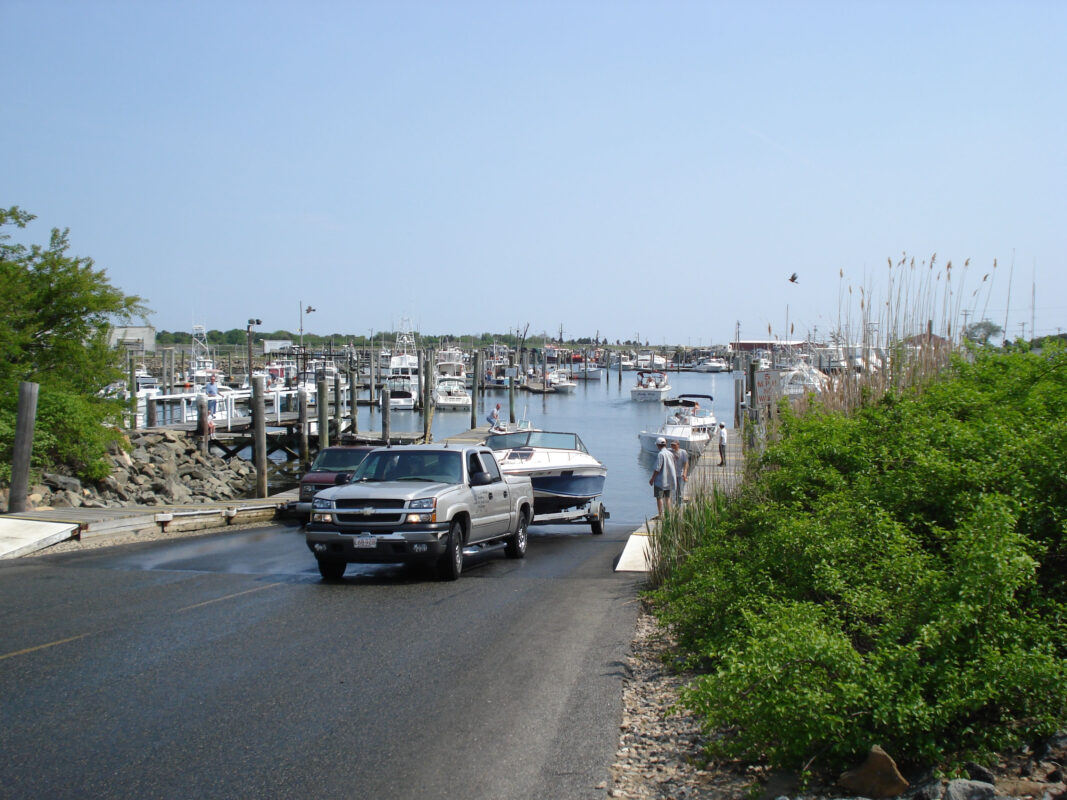
What do infrastructure improvements at public outdoor recreation facilities look like to you? Renovated boat ramps? New restrooms and sanitation systems? Better roads and parking areas? Upgraded campgrounds? For the 260 million visitors who use U.S. Army Corps of Engineers (USACE) recreation areas each year, improvements like these directly enhance safety, access, and visitor experience.
The Corps Foundation is proud to mark a major milestone for USACE recreation. Authorized in Section 1154 of the Water Resources Development Act of 2024 and supported by funding authority in the Energy and Water Development Act of 2026, USACE can now reinvest recreation user fees back into the projects where they are collected.
This long-sought change brings USACE more in line with other federal land management agencies and provides an important source of support for priority repairs and improvements. USACE manages more than 400 recreation projects nationwide and nearly 12 million acres of land and water, yet for years lacked similar authority to retain and return recreation fees to project sites.
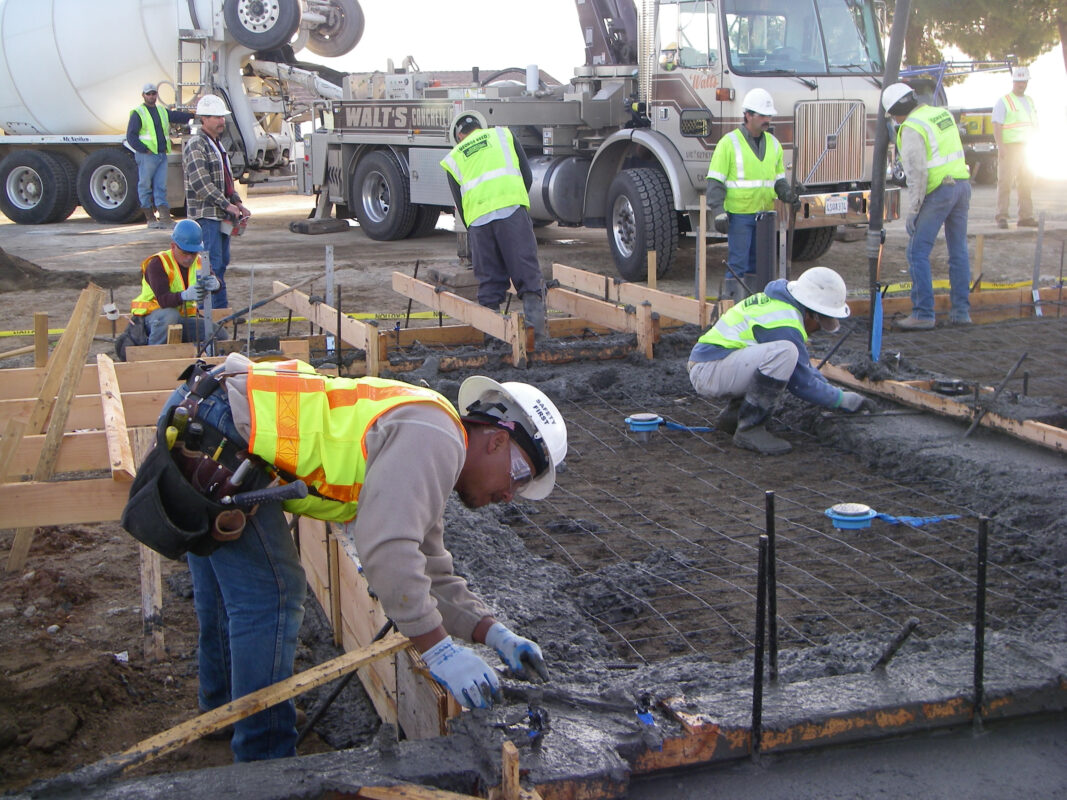
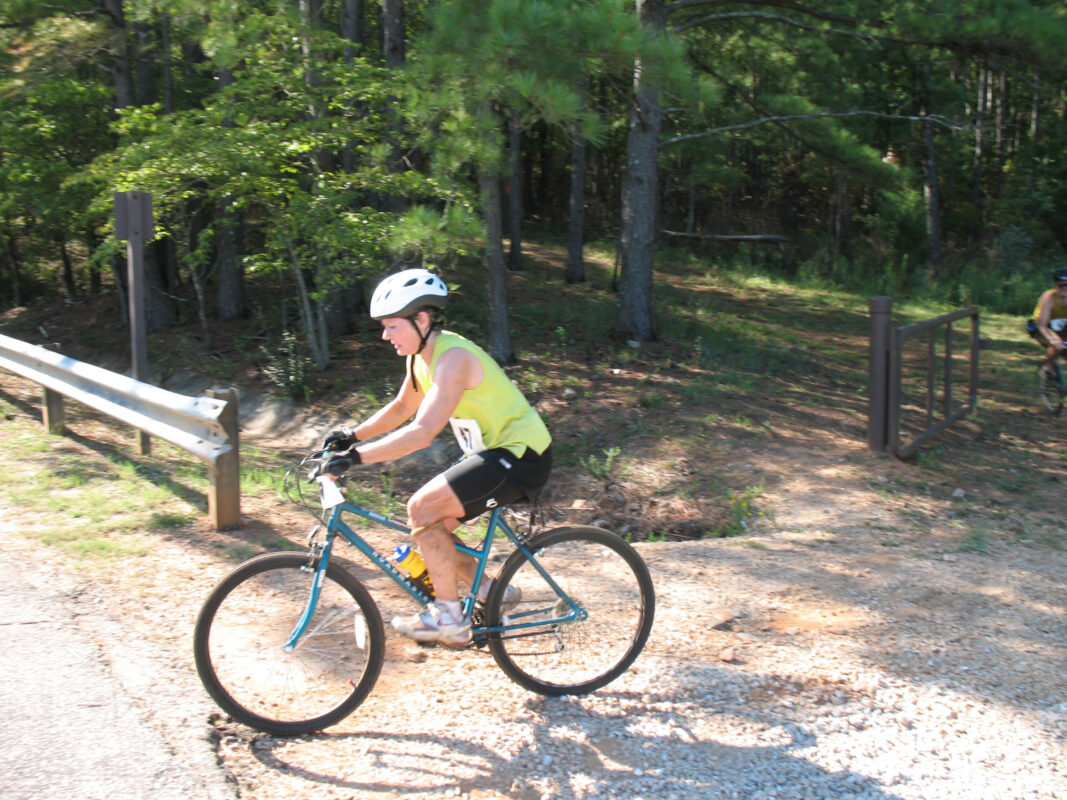
On September 2, 2026, the first installment of retained recreation user fees was transferred to project sites across twenty-five USACE districts. These funds will help address deferred maintenance, sustain public access, and support critical infrastructure repairs in heavily used recreation areas.
What This Will Accomplish
- Sustain public access by helping prevent service reductions and facility closures.
- Reduce deferred maintenance through targeted repairs and infrastructure upgrades.
- Demonstrate accountability by putting recreation fees back to work where visitors can see the benefit.
The Corps Foundation is especially proud of the role it played in helping advance this effort. Working alongside congressional champions, partners in the outdoor recreation and tourism sectors, public lands organizations, and its own members, the Foundation helped advocate for passage of the legislative and funding authorities that made this milestone possible.
The Foundation also thanks key congressional sponsors, including Senator Martin Heinrich, Senator Kevin Cramer, and Representatives Jared Huffman, Bruce Westerman and Steve Womack for their leadership in advancing this important effort.
By putting user fees back into USACE recreation areas, this milestone will help improve facilities, strengthen visitor services, and support long-term stewardship of the public lands and waters that communities across the country rely on.
From the Trailhead to the Top:
An Interview with Mike Ensch
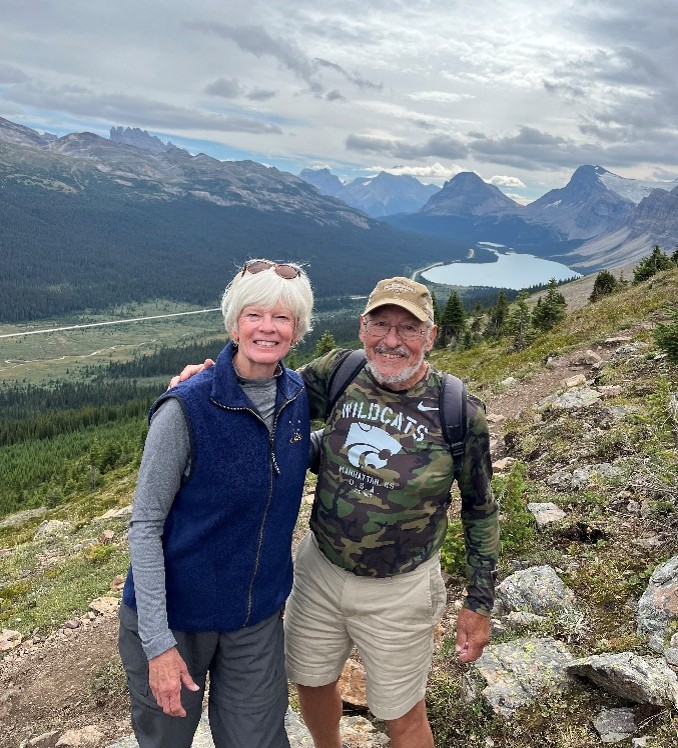
As a supporter of the Corps of Engineers lakes and waterways, you might like something a little different. Spend a few minutes with a man whose career journey is as inspiring as it is remarkable. Enjoy some thoughts from Mr. Mike Ensch, who began his journey at the ground level, then rose through the ranks to become Chief of Operations and Regulatory for the entire Corps of Engineers. Follow along and learn the mindset and values that, along with a deep belief in the Corps Natural Resources mission and unwavering commitment to public service, propelled him to the top. ~Avis Kennedy
By Avis Kennedy
Retired Chief, Natural Resources Management Branch, Nashville District Corps of Engineers
Did you know that, in the not-very-distant past, a Corps of Engineers employee rose from the position of GS-4 Park Technician to become the Chief of Operations and Regulatory for the entire Corps of Engineers civil works program? Mr. Mike Ensch made that journey, learning a lot and teaching so much more to those he mentored in all the Operations business lines, and in multiple districts, over the space of 39 years.
It was my honor and pleasure to work with Mike Ensch over the years, and to work for him for eight years when he was Chief of Construction-Operations Division in the Corps’ Nashville District. Mike retired in 2011 as Chief of Operations and Regulatory, Headquarters U.S. Army Corps of Engineers (USACE), and moved back to Franklin, TN. In August 2025, I sat down with Mike (virtually, thanks to Facetime) and asked him a few questions. I think you might enjoy reading his responses. Answers have been edited for clarity and brevity.
The Interview
1. What is the best piece of advice anyone ever gave you?
Mike: It actually came from three different sources: Boy Scouts – one of my scout leaders; my dad; and my first real mentor in the Corps of Engineers. It was this – If you’re going to do a job, do it to the absolute best of your ability. Don’t cut corners, don’t shirk, do it absolutely the best you can. Be happy with it, but be amenable to changes along the way. Whatever you’re working on, make it the best: the best nature trail, the best Operational Management Plan, whatever it is, make it the best. Make other people want to do it like you did.
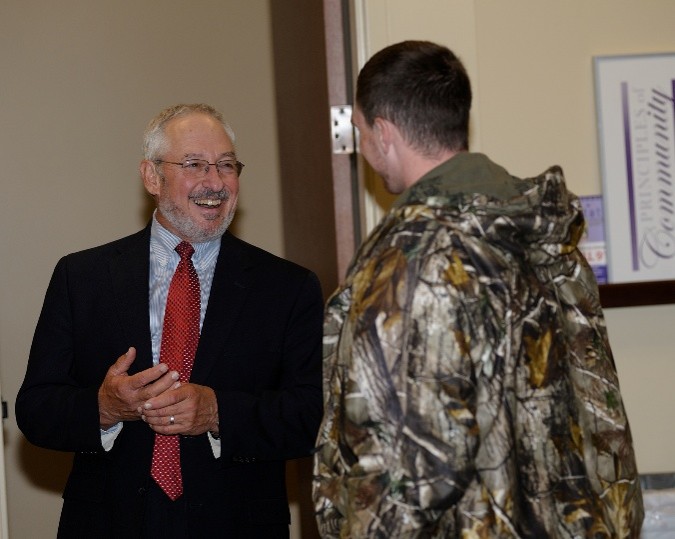
2. What was your first job with the Corps of Engineers?
Mike: I was a Summer Park Technician, GS-4, at Milford Lake, Kansas. I had always wanted to be a forest ranger. I had been hired by the USDA Forest Service to work in a National Forest in New Mexico. And I got a telegram from the Corps of Engineers at Milford Lake. [Author: a telegram? A telegram? Mike: Yes, a telegram.] They met me in Wichita and said: you are going to be a GS-3 Summer Fire Aid in New Mexico. Would you like to be a GS-4 Park Technician at Milford Lake? That just happened to be 1200 miles closer to my fiancée. So, of course I said yes.
3. When you first started working for the Corps of Engineers, where did you think/hope your career would take you?
Mike: From the day I started at Milford Lake, I knew this was something I wanted to do. I mean, from the get-go. Quite honestly, from the time I was hired in 1974, the only thing I wanted to do was be a park manager. I wanted to manage one of those lakes. I didn’t know if it was going to be in Kansas City District, Tulsa District, or wherever it might have been. But I wanted to manage a lake. Six years later, I was selected as manager for Clinton-Hillsdale. Driving to work there on the second or third day, it dawned on me – “I’m going to be doing this for about thirty-five more years.” That was in 1980.
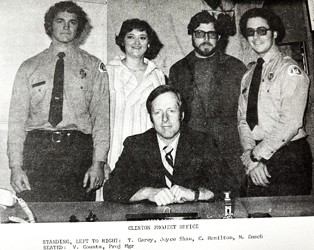
In 1981, I was in Headquarters as an Outdoor Recreation Planner. It just kind of opened my eyes. All I ever thought I wanted to do was be a park manager. I only wound up doing that for about a year. I went up to Headquarters on a temporary basis, then came back home. When a permanent job opened there, I put in for the job and got it. I went up there and stayed till 1988. During that time, I worked on the President’s Commission on Americans Outdoors and went to the Office of Management and Budget (OMB) for eight months. That was a fascinating experience. I was the first agency person to go over there and work. It was a great learning experience.
In 1988, I landed as Chief of Recreation Resources Management in Ft. Worth District. I did that for a bit, then went to Assistant Chief of Operations there. Then, I went to a newly-created Environmental Division in Ft. Worth. Then, got selected to come to Nashville. I was the first non-engineer to be a Chief of Construction-Operations.
4. What were your most enjoyable/rewarding experiences during your many years with the Corps?
Mike: The easy answer is: personnel. Watching people you brought on board move up through the organization is a very rewarding experience. Guys I hired, literally hired into the organization, are now Chiefs of Operations in two or three districts. I saw something in them and, even since I retired, it’s been very enjoyable watching them.
Regarding specific experiences, one I remember was the Bicentennial of the United States, 1976. Our district put together a barge with information and exhibits, visiting areas on the Mississippi, starting on the Missouri and going all the way to New Orleans to take part in the Bicentennial Celebration.
Being a representative on the President’s Commission on Americans Outdoors. That was a one-of-a-kind experience. I met some great friends from other federal agencies and did what I think was some great work.
Instructing Visitor Assistance, helping pull that class together, with a couple of other folks including Gerald Purvis.
The Interpretive Services Program – helping George Tabb get that off the ground. Those kinds of things are rewarding in the long term.
5. Tell me about a tough decision you had to make and how did the results turn out?
Mike: The toughest decisions were personnel. As you can imagine, escorting someone to the door is very tough.
One tough decision was when Headquarters asked for someone to test a contractor-operated system for campground reservations. In Ft. Worth, I made the decision that we would test it at one of our lakes. There was some resistance to this idea because we had always worked in a first-come, first-served world. Some good people put together a contract, and we tested it at Sam Rayburn Lake. It turned out well, was very popular and now is the norm across the Corps.
Another tough decision was closing parks in Nashville District. The budget was what it was, and something had to give. Every lake was going to play; every congressional district was going to play. And the closure program went just about as well as it could have gone.
6. What habits/attitudes/skills aided in your success? Not just in your career, but in life?
This question set me back a bit. But I’m dogged. I’m determined. I took it upon myself to learn as much as I could about projects, people, everything I could learn as fast as I could learn it. I can get along with just about anybody. Sometimes, it’s just a short while when we’re trying to accomplish something. My attitude is: get it done, then move on to the next thing. The other thing that I’m proud of is that if I asked someone to do something and they agreed to do it, I wasn’t looking over their shoulder all the time. I let them do it and whatever the result was, we both would be happy with that. It’s important that, to engender trust and goodwill in folks, that you trust them to get it done. My thought always was: “It’ll be fine. If we have to tweak it, we will, but it’ll be fine.
Follow on question: What about going through all the emails on Friday afternoon? As one of your team, I certainly noticed that.
[Laughs] I wanted a clean desk on Monday morning, so as long as it took, I knocked all that stuff off on Friday afternoon. When I was in Headquarters, I told Christi (my wife), our weekend starts on Saturday morning. I enjoyed my weekends; that’s one reason I cleared the desk on Fridays.
7. Have you ever had a Corps job that made you dread going to work in the morning?
Never. I enjoyed every day I worked for the Corps of Engineers. There were days I wasn’t eager to go in the door, but I tried to cross the threshold of whatever the issue was right away so the rest of the day wouldn’t go bad. There were things that weren’t the easiest to do, but I enjoyed my 39 and a half years with the Corps every day.
8. What was the driving motivation behind your rise to the Corps’ Chief of Operations and Regulatory? What factor drove you, lifted you up through the ranks?
Very simply, support the field. I was in the field, on the ground floor. Districts are made to support projects; Divisions are made to support projects. Headquarters is made to support projects. A lot of people don’t see it that way. A lot of people don’t understand it. I took it upon myself to convince a few people that the only reason you’re here is that ¾ mile long dam, with that hydropower facility on the left bank, or that lock or whatever. I found from the get/go, at Tuttle Creek and Milford both, and at Clinton/Hillsdale, that the district thought they were there to provide guidance to the project. No. They were there to plan the project, design the project, construct it. And then we operated it and they needed to get out of our way and help us operate it to the best of our ability. The driving force for the last three quarters of my career was: support the field. If the field needs policy, needs budgetary support, needs an Engineer Regulation, you need to support them.
For example, from Headquarters, we were able to help New England District get a Recreation Use Fee Program started by getting other divisions to pitch in money to build a picnic shelter so they could start charging fees and begin to build their program. So, from HQ we were able to provide this support to the field. Sometimes it was simple.
Follow-on question: So, were there a lot of obstacles at the HQ level to staying focused on supporting the project, or did some people not see the mission the same way you did?
Folks may not have seen the mission the same way. They thought: I’m here to develop policy. But if they’ve never worked at the field level, never had to implement policy, how are they going to develop it with any knowledge, forethought, or sense of purpose? They had been hired into the Corps at the Division level and c0nsidered themselves the “oversight” group. But they didn’t understand the field-level programs they were supposed to be overseeing. That was my focus.
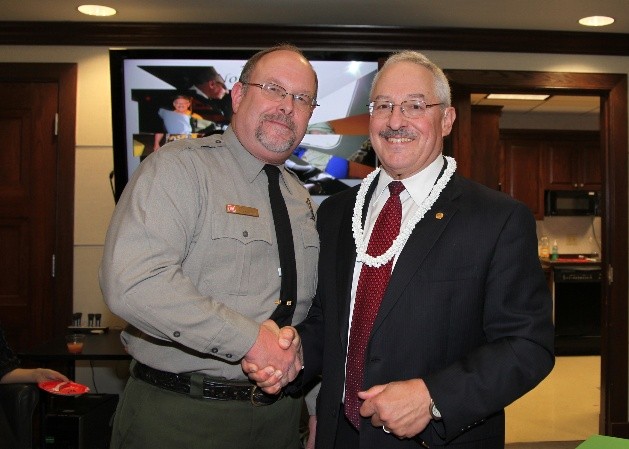
9. What do you see as the Corps NRM team’s biggest challenges in the next few years? How will the nationwide team need to change to meet these challenges?
The challenge continues to be funding: finding funds to put things on the ground. That will never change. Because of that, I think team members at the field level need to gather their thoughts together and focus on one or two things that can be accomplished that will deliver the most bang for the buck. The number of projects we manage will not decrease; the amount of acreage we manage will not decrease. Finding our focus and then finding the wherewithal to accomplish it. Getting other agencies or individuals involved in our work is key. That’s why I always am happy to see volunteers rewarded for their service to a project. When other agencies or volunteers partner with us to accomplish some aspects of the work, it frees up permanent staff to focus on and accomplish other things. The finite number of projects and acres are not going to diminish, and I think everyone on the Natural Resources team feels the imperative to manage those projects in the best way possible.
Follow-up question: You say the acreage we manage will not decrease. A lot of people right now are very concerned about possible efforts in the near future to dispose of Corps land, or to change guidance, even laws that we’ve been bound by all our careers, to make it easier to allow private development on public lands at our lakes. Do you not see this as a possible threat?
What I see is: that project was congressionally authorized and those authorized project purposes still exist. Real Estate Division becomes your friend. They are the keepers of the records of why each acre was purchased. And land that was purchased for water to flow over is not going to be disposed of. There may be some pressure for privatization. But that boundary line was set for a purpose. Particularly for flood control, which is becoming more important. There is just not a lot of what we would call excess land out there.
10. How do you think the Corps Foundation can best support the Corps’ Natural Resources Management mission in the next ten years?
I know the Foundation has had some interactions with the Hill. The thing I would suggest is that the Board get together and focus on two, three, four people in the House and Senate – on the Energy and Water Committee or others. Find one or two obtainable pieces of legislation that would support or further the NRM mission. Camp out in those three or four congressional offices and persuade the staff in those offices that this is solid legislation. Even if it’s non-financial in nature or costs a minimal amount in funding and see if the Foundation can’t get that legislation pushed through. I think it’s doable even though it won’t be easy. For example, in the mid-1980s, increases in the cap for Law Enforcement contracts, the cap for aquatic plant control, increase for uniform allowances, and Title 18 authority were all things we really wanted and had never been able to get added to legislation. These four pieces of minor legislation were greatly needed by field projects, but minor in cost when viewed as part of the overall budget. When a WRDA (Water Resources Development Act) was being debated in June 1982, I got one late-afternoon phone call. A congressional staffer asked if there were any “innocuous” pieces of legislation that the Corps NRM team would like added to the bill. We were ready and within three days, these provisions were law. These are the kinds of things that I’m talking about.
11. What would you say to Corps NRM team members and their supporters in the Corps Foundation to inspire optimism about the program right now, in 2025?
Mike: Compared to other federal outdoor recreation agencies, the Corps of Engineers provides the biggest bang for the buck. The Corps has one of the most vibrant recreation programs among federal agencies. The Corps will continue to do that, because our folks just will not let things fail. That is just not in the fiber of a Corps of Engineers employee. We have a great recreation program. We do very well at managing natural resources. The Corps can take pride in that. It’s just a matter of weathering the storm to an extent and see where this takes us. We have always had resourceful people. I continue to think that folks on the ground, at the project level, and at the district level to an extent, will find a way to continue. They do that because it is second nature to those folks. I just encourage people to keep that in mind. Yes, there are dark days, but with the gumption that I’ve seen throughout my career, the Corps NRM program will come out the other side and will be well-positioned.
August 5, 2026
NEWS
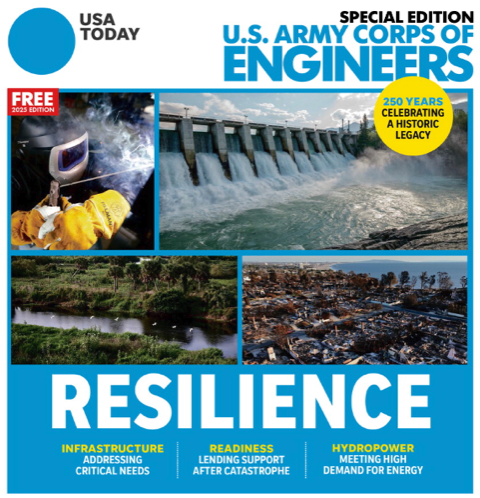
The Corps Foundation was given a free full-page advertisement in the 2026 USA TODAY CORPS OF ENGINEERS SPECIAL EDITION publication honoring 250 years of service to the nation. Our ad in this special publication will give us some much needed visibility to many thousands of Corps of Engineers personnel and the many organizations that work with USACE. Our ad is on page 69 of this impressive publication. Special Edition U.S. ARMY CORPS OF ENGINEERS.
A Message from the Corps Foundation
The Corps Foundation lost its guiding light and spirit on March 13, 2026, with the passing of Darrell Lewis, Founding Member of the Foundation.
Darrell Lewis was instrumental in creating the Corps Foundation in 2006 after his retirement as the Chief of the Natural Resources Management Branch – US Army Corps of Engineers (USACE) Headquarters. Darrell had the foresight and vision for a well-informed public and national network of partners working to sustain Corps lakes and waterways for generations to come. He believed this vision would solidify the value and raise the profile of the Natural Resources Management Program for the US Army Corps of Engineers.
Darrell Lewis served as a volunteer and founding member of the Corps Foundation’s Board of Directors and as the organization’s Treasurer for 13 years. His leadership and substantial knowledge positively influenced the growth of the Foundation, particularly in the areas of governance and fiscal accountability. His leadership was also instrumental in helping provide the vision and strategic direction for the Corps Foundation’s support of the Corps’ Natural Resource Management program. Under his guidance as Treasurer, the Corps Foundation successfully secured and executed numerous Coast Guard Grants that resulted in an award-winning water safety program.
The Foundation has since expanded its role to include direct grants to field projects, funded visitor facilities and education, funded advocacy efforts to enact new legislative authorities in support of recreation, and funded volunteer recognition efforts throughout USACE field projects.
The Corps Foundation awarded Darrell Lewis its Enduring Service Award in 2016 for his significant, long-term contributions to the U.S. Army Corps of Engineers’ mission and the management of public lands and water, as well as his contributions to the Corps Foundation.
The Foundation Board of Directors wish to extend their condolences to the family and friends of Darrell Lewis for their loss of a generous man that made a difference to all who recreate on the lands and waters managed by the US Army Corps of Engineers and who, with the creation of the Corps Foundation, left a legacy that carries on his vision.
“Enduring Service Volunteer Award” Nominations
The Corps Foundation “Enduring Service Volunteer Award” is an annual award honoring long term service (6 years or more) and outstanding accomplishments by an individual and/or families that volunteer at Corps lakes and waterways; and who have achieved results in such areas as conservation, education, recreation, safety and community engagement. Additionally, these volunteer efforts should contribute to the advancement of:
- The mission of the Corps Foundation: “The Corps Foundation engages the public to ensure the environmental health and recreational enjoyment of our nation’s lakes, lands, and waterways administered by the US Army Corps of Engineers”.
- Positive relationships between the Corps management, the visitors and the local community.
- Public knowledge of and involvement in the Corps natural resources management program.
- Partnerships and collaboration with other community organizations locally, regionally or nationally.
Applications deadline is April1, 2026. Application forms can be found HERE. Nominations will be reviewed and winners will be announced in the summer.
Posted August 2025
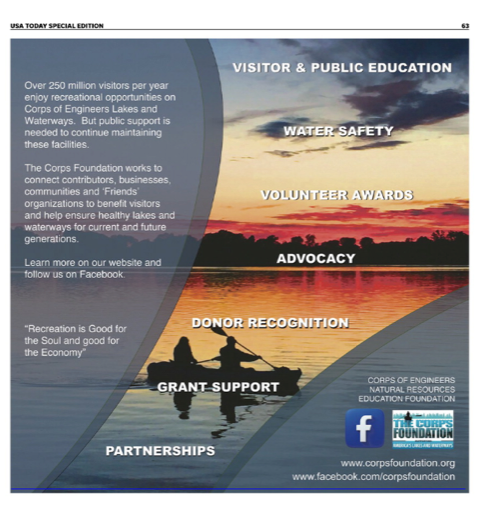
The Corps Foundation was recently featured with a full page advertisement (page 63) in the annual USA TODAY SPECIAL EDITION of the US ARMY CORPS OF ENGINEERS. The ad page was provided free of charge by USA TODAY. Content and graphics provided by Rich Deline, a Foundation board member.
This magazine is distributed worldwide and will provide much needed visibility of the Corps Foundation to Corps of Engineers personnel and other agencies.
Please take a few moments to read this publication.
Corps Foundation Enduring Service Award Presentations
Posted May 2026
The Corps Foundation’s Enduring Service Volunteer Award honors the long-term service and outstanding accomplishments of volunteer individuals and families. Each year the Corps Foundation presents the award to two individuals or families who display exceptional voluntary leadership and have made or are making a positive difference in Corps lakes, waterways and the communities they serve.
This year’s award winners were:
- Larry Kracht, the individual award winner with over 16 years of dedicated service at Tuttle Creek Lake, Kansas
- Sharon and Mike Mick, the family award winner with 8 years of dedicated service at Burnsville Lake, West Virginia
The Enduring Service Award was established in 2016 by the Corps Foundation as a method of recognizing volunteers, who are essential to the operation of recreation areas at Corps lakes around the country.
The Corps Foundation is the only nationwide nonprofit organization dedicated exclusively to supporting Corps operated lakes and waterways around the country. The awards were presented at the lake projects where the awardees volunteer.
Volunteer Larry Kracht received the Enduring Service Award for his long-time commitment to volunteer work at the Tuttle Creek Lake in Kansas. Greg Miller, Chairperson of the Corps Foundation Board of Directors presented Larry Kracht with a plaque for his excellent volunteer service and significant contributions to the Tuttle Creek Lake Natural Resource Management program over a period of 18 years.
Volunteers Sharon and Mike Mick who received the Enduring Service Award for their long-time commitment to Riffle Run Campground and Burnsville Lake. Sam Wagner, member of the Corps Foundation Board of Directors presented Sharon and Mike Mick on September 17th with a plaque for their 8 years and over 12,000 hours of excellent volunteer service at Riffle Run Campground at Burnsville Lake.
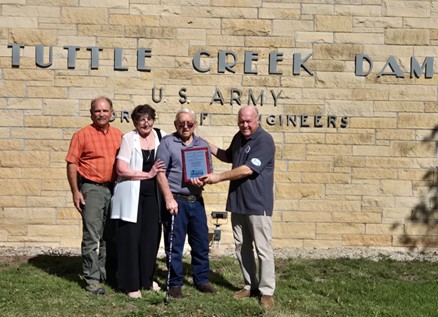
Left to right: Brian McNulty, Operations Project Manager;-(Ret), Larry Kracht and wife Judy.
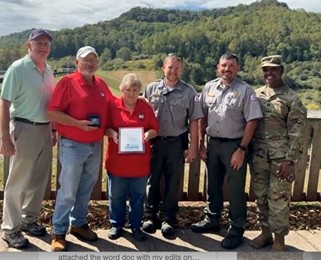
The presentation to award Sharon and Mike Mick took place at Burnsville Lake which is located on the Little Kanawha River in the state of West Virginia. and was attended by Sam Wagner, Corps Foundation Board of Directors; Brian Carson, Park Ranger; Michael McCoy, Natural Resource Specialist; CPT Octavia Lewis, Huntington District Office as seen in this group photo.
The Corps Stories Anthology is for Sale!
The Corps Foundation is proud to announce that the Premier Edition of the anthology, Park Ranger Stories from the U. S. Army Corps of Engineers: A Collection of Stories, Interviews, and Memories from Corps Park Rangers and Other Natural Resources Management Professionals is now for sale.
More than 70 contributors combined to create this enormous 656-page volume of institutional memories, stories, interviews, and captioned photos.
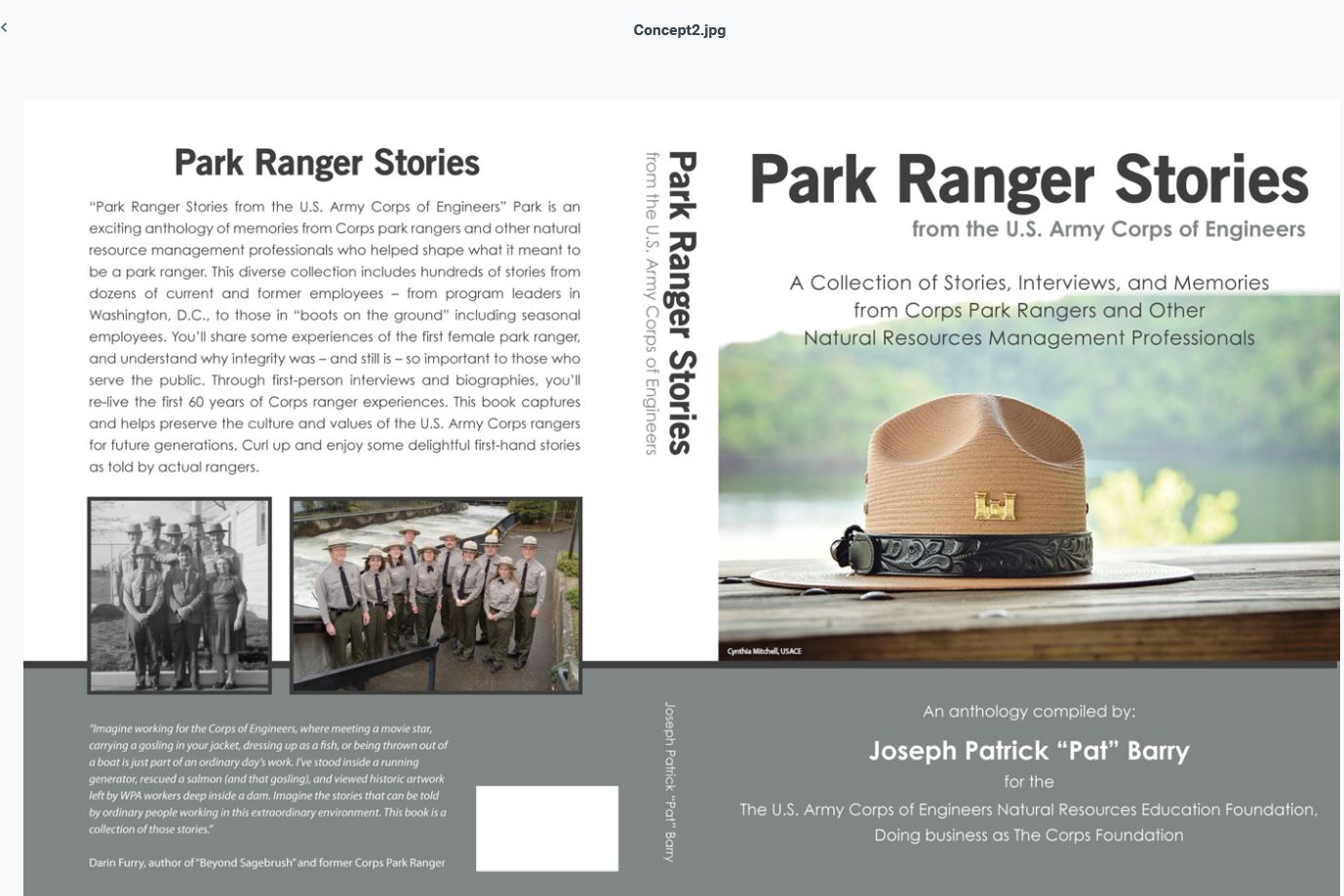
Two versions are available. The Premier Edition paperback is an 8×10 inch 656-page volume ($87.91) and is great addition to any bookshelf. A more portable and affordable e-book edition ($12.95) is also available.
Order the paperback
Order the e-book
“Life Jackets Worn…Nobody Mourns” Boating and Water Safety Campaign

The Corps Foundation developed this new campaign through a grant from the Sport Fish Restoration and Boating Trust Foundation administered by the U.S. Coast Guard. Campaign materials are available at PleaseWearIt.com and will be promoted by the U.S. Army Corps of Engineers to save lives on our nation’s lakes and rivers.
CURRENT CORPS FOUNDATION NEWSLETTER
ARCHIVE OF PAST NEWSLETTERS
CORPS FOUNDATION VOLUNTEER EXCELLENCE COIN
The Corps Foundation is the proud sponsor of the Volunteer Excellence coin which recognizes exceptional volunteers and draws attention to their vast skills and contributions. They play an invaluable role in helping the Corps implement its programs. Annually the work of more than 48,000 total volunteers equate to approximately 27% of the Corps’ workforce. It is hoped that such recognition will broaden awareness of the positive impact of volunteer initiatives and strengthen volunteer appreciation.
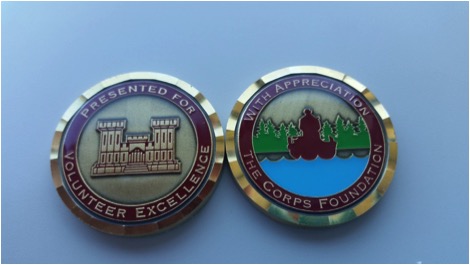
The Corps Foundation’s Volunteer Excellence coin is presented for outstanding volunteer service at U.S. Army Corps of Engineers lakes and waterways. As our nation’s official non-profit organization supporting Corps Lakes and Waterways, the Corps Foundation recognizes the vital role volunteers play in sustaining these lakes and waterways. One of the Corps Foundation’s overarching goals is to encourage a well-informed and involved public that contributes to the stewardship of Corps lakes and waterways. In today’s tight financial environment, volunteers are a prime example of how a concerned public is helping the Corps to achieve its recreation and environmental stewardship missions and public responsibility in caring for Corps lands, facilities and resources.
Natural Resource Management Strategic Plan
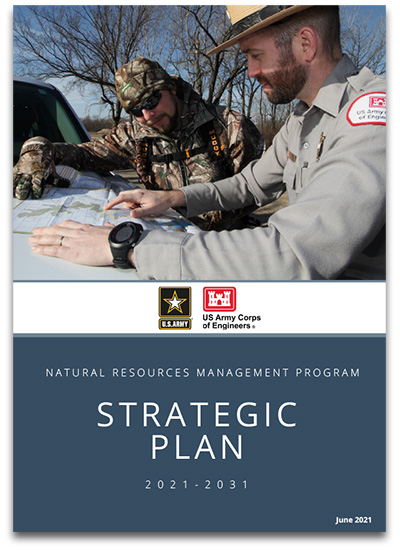
The U.S. Army Corps of Engineers Natural Resources Management(NRM) Strategic Plan provides a framework for the future of the NRM program and ensures wise management of public access to USACE lands and waters in a manner that protects all project purposes and mission areas through responsible outdoor recreation, environmental conservation and land use management. The plan continues an already strong program, and emphasizes the need for a focused vision to make smart, well-informed, and consistent decisions while partnering with communities to serve the American people. USACE is committed to continuous improvement and partner engagement under these strategic goals.